Web Content By-Rodriguez Richter
Traversing the experience of lens replacement surgery can seem intimidating, especially if you're thinking about this option for improving your eyesight. This thorough guide is crafted to provide you with everything you need to understand, from comprehending what the procedure entails to the benefits and drawbacks involved. Whether https://sites.google.com/view/clearsight/custom-lens-replacement-oklahoma-city/ searching for options to laser surgery or trying to decide if you’re a good fit for the procedure, we’ll help explicate your path to improved vision.
As you delve into topics such as bespoke lens solutions, recovery timelines, and success stories, you'll find that lens replacement surgery is not just a surgical event; it's a revolutionary experience that can boost your lifestyle. With innovations in medical techniques, custom lens replacement offers personalized solutions for different vision issues, including presbyopia and severe myopia. Comprehending the details of the procedure, expected outcomes, and potential challenges will strengthen you as you make informed decisions about your ocular well-being and clear sight ahead.
Understanding Vision Correction through Lens Replacement
This vision correction procedure, also termed lens replacement surgery, is a vision correction procedure that includes removing the natural lens of the eye and replacing it with synthetic intraocular lens. The procedure seeks to boost visual acuity and is particularly beneficial for individuals with difficulty seeing close objects, extreme nearsightedness, or other significant refractive errors. Consequently, this procedure can provide permanent vision correction, reducing dependence on spectacles or contacts.
A primary benefit of this procedure is the wide range of premium lens options available, which encompass adjustable lens implants and extended depth of focus lenses. These advanced lenses offer a broader range of vision as well as boost vision quality for multiple everyday activities. Custom lens replacement is customized according to personal preferences, ensuring patients receive optimal results based on their unique vision requirements.
Despite its numerous benefits, this surgery is not without risks. Potential complications can include infection, retinal detachment, as well as variations in sight. It is essential for those interested in the surgery discuss their candidacy during the consultation process, and any apprehensions regarding the safety and efficacy of the procedure. Comprehending the surgery, the positives of the procedure, including the risks involved is important for making educated choices about whether lens replacement surgery is the right choice.
Finding Your Way Through the Healing Process
Recovery from vision correction surgery is a critical phase that affects the outcome of your path to improved vision. At first after the surgery, it is common to feel some unease, fuzziness, and sensitivity to brightness. These effects are usually temporary and should get better over the first few 24 to 48 hours. Following your surgeon’s post-operative instructions is vital during this time, as it will help facilitate a more comfortable recovery and enhance the eventual benefits.
As you move forward through the early healing phase, going to post-operative sessions with your qualified lens replacement surgeon is crucial. These appointments allow your surgeon to observe your recovery, adjust any treatments, and address any issues you may have. It is also vital to avoid rigorous activities, straining, or rubbing your eyes during the first few days after the procedure to minimize the risk of complications. Composure is essential, as full recovery may take several weeks.
Many individuals notice considerable improvements in their sight within a few sessions, but the complete stabilization of vision can take longer. While most people go back to regular activities within a week, some may take custom surgery recovery time of a few days to attain best vision. Practicing care during this time, including getting sufficient recovery and using prescribed medications, will be essential to your healing and continued contentment with the effect.
Financial Aspects of Lens Replacement
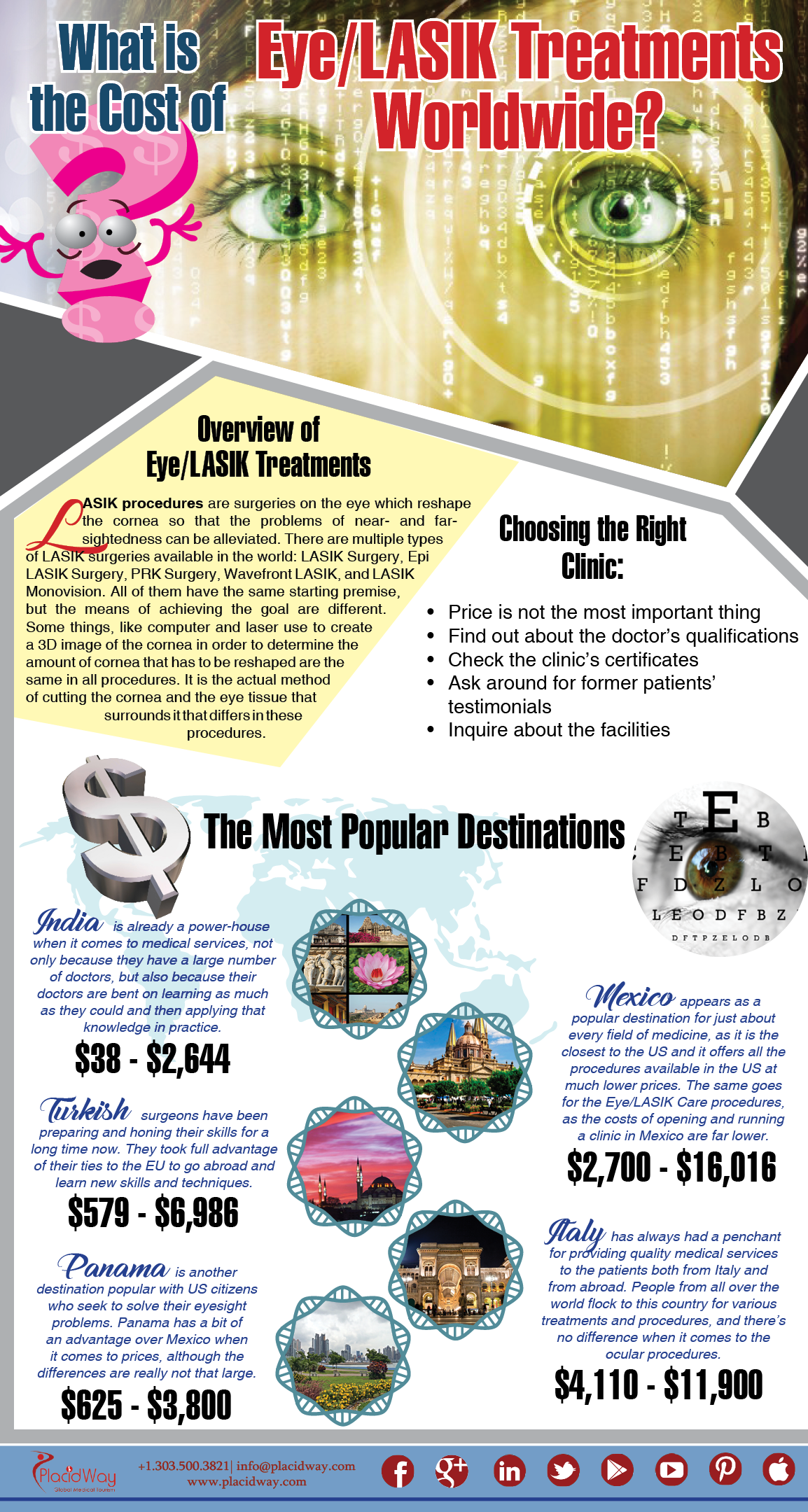
When lens replacement surgical procedures, understanding the financial implications is essential. The total expense can fluctuate significantly based on multiple factors, including the doctor's, the type of lenses recommended, and the location-based location of the procedure. In https://www.benzinga.com/money/types-of-vision-insurance-explained/ , costs are anticipated to keep increasing, especially for premium lens choices that offer enhanced features, such as increased depth of focus or adjustable lens implants. Patients should expect costs averaging between two thousand to five thousand dollars per eye, depending on these factors.
Many insurance plans do typically cover lens replacement surgery because of its designation as an optional procedure, although they may cover essential cataract surgery. It is important for patients to research financing solutions to manage the personal expenses. Many clinics offer no-interest financing plans, allowing individuals to pay for the procedure in manageable monthly installments. Additionally, some patients might be eligible for health savings accounts (HSA) or flexible spending accounts (FSA) to help reduce costs.
Clear communication with the surgical team about the pricing details is vital. Prior to surgery, patients should talk about all associated fees, including pre-operative consultations, the procedure itself, and any possible post-operative care. This knowledge helps avoid unexpected charges and ensures patients fully understand what their monetary obligation entails. In the end, balancing the benefits and long-term worth of lens replacement surgery against its costs can help individuals in arriving at informed decisions for their vision correction needs.
Common Questions and Experiences from Patients
A lot of patients have questions prior to undergoing lens replacement surgery, especially regarding the procedure and its outcomes. Commonly asked questions include what patients should anticipate during the consultation process and how to assess if one is a suitable candidate for lens replacement. Prospective patients frequently inquire about the differences between lens replacement and other procedures like LASIK, in addition to the risks and benefits connected with each option. Engaging with a knowledgeable surgeon can offer clarity and help ease concerns regarding the surgery.
Patient experiences with lens replacement surgery are typically positive, with many noting significant improvements in their vision shortly after the procedure. Testimonials reveal that the recovery process can vary based on individual factors such as age and eye health, but most patients conclude that any discomfort or temporary side effects are manageable. Many appreciate the newfound clarity and freedom from glasses or contact lenses, which illustrates the potential success of the procedure for vision correction.
As patients navigate their journey, they often recommend gathering as much information as possible from reliable sources, including doctor visits and patient forums. Understanding what to expect during recovery, including timeframes and aftercare instructions, can contribute to a smoother experience. Overall, sharing experiences and knowledge fosters a supportive community for those considering lens replacement surgery.